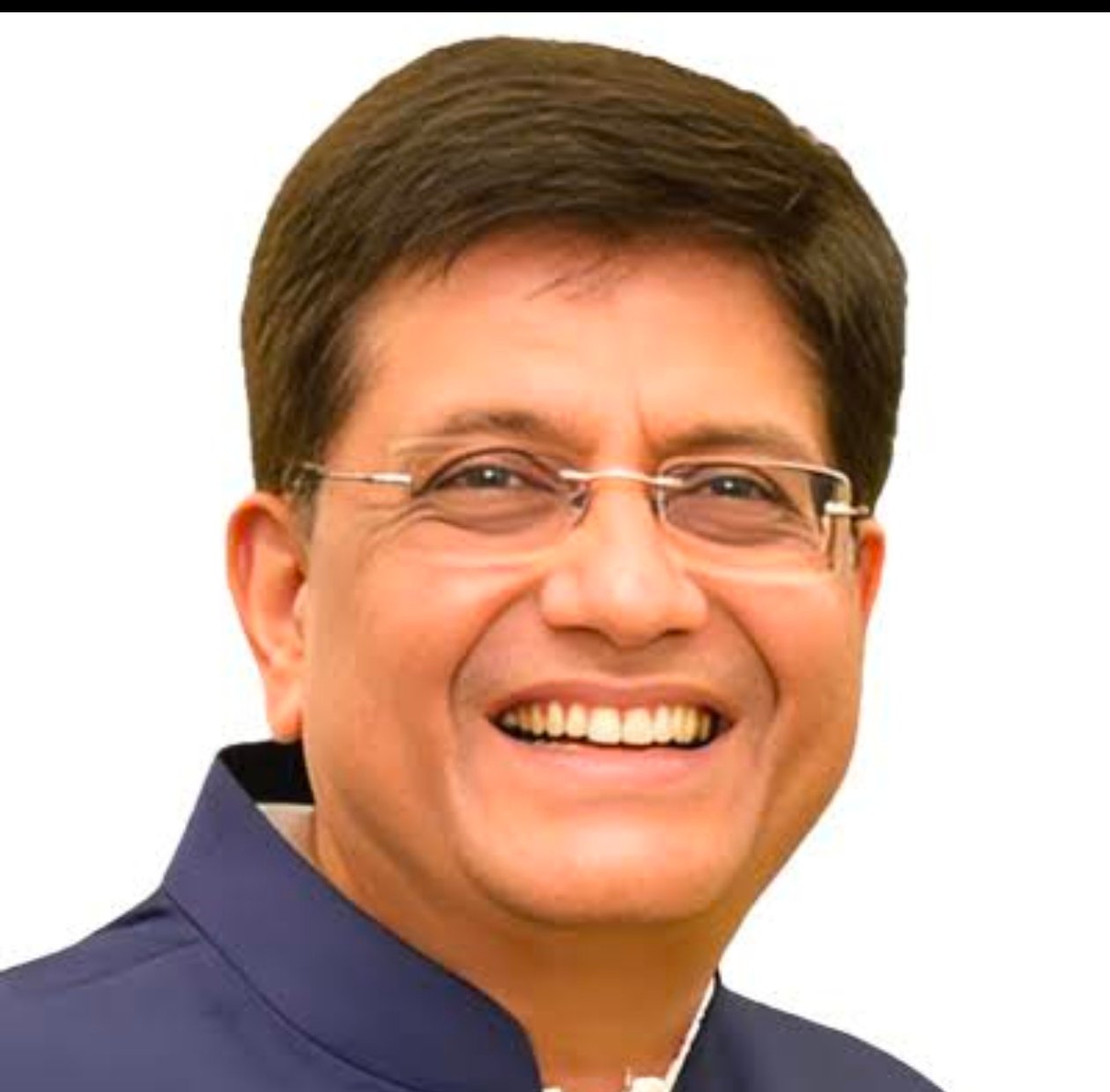
Piyush Goyal
Vijayawada, May 11, Pen Power:
The remarkable reconstruction and consecration of the sacred Somnath temple 75 years ago marked a defining moment in reviving India’s civilizational glory. It also reaffirmed the nation’s resilience and determination, which form the foundation of Prime Minister Narendra Modi’s vision of a Viksit Bharat 2047.
As this historic milestone completes 75 years, it serves as a powerful reminder of India’s enduring civilizational strength—rooted in a legacy that has withstood repeated attacks over centuries. Despite numerous invasions and attempts to erase its identity, the nation has continued to rise stronger each time. The temple on the serene shores of Gujarat reflects India’s history of perseverance and renewal. Our peaceful and devoted people have consistently rebounded from assaults on their faith, culture, and heritage.
As the Prime Minister has stated, repeated attempts to destroy Somnath were part of a broader pattern of foreign invasions aimed at undermining India itself. These attacks were not merely acts of plunder. If looting had been the only motive, they would have ended centuries ago. Instead, the repeated desecration of the sacred idol and structural damage reveal deeper intentions. History reminds us that such acts were driven by hatred and suppression, narratives that were long concealed from us.
Following Independence, Sardar Patel led the reconstruction of the Somnath temple, making it a symbol of national confidence in free India. The project faced obstacles, including opposition to the participation of then-President Dr. Rajendra Prasad in the inauguration. Nevertheless, the temple was inaugurated on May 11, 1951, marking a milestone in India’s cultural revival.
From the restoration of Kashi Vishwanath and Mahakaleshwar temples to the grand Ram Temple in Ayodhya, and from the rejuvenation of Kedarnath to the preservation of numerous heritage sites, India is reclaiming its civilizational narrative with dignity and purpose. These initiatives have boosted tourism, created employment opportunities, and strengthened local economies.
Like Somnath, India has emerged stronger on the global stage. It is now one of the world’s fastest-growing major economies, blending rich heritage with modern development. The adoption of International Yoga Day by the United Nations General Assembly in 2014, supported by a record 175 countries, stands as a testament to India’s global influence. Yoga has since evolved into a worldwide health movement benefiting people across cultures.
Over the past decade, India has expanded its cultural outreach globally. The Prime Minister inaugurated a grand temple gifted by the United Arab Emirates on land in the Middle East, and earlier facilitated the restoration of a 200-year-old temple in Bahrain. Regular engagement with the Indian diaspora has further strengthened their role as ambassadors of India’s cultural heritage.
Promoting Ayush and yoga globally, and integrating traditional knowledge systems into international frameworks, has been a key focus in India’s recent free trade agreements. These agreements aim to create global opportunities for artisans, farmers, fishermen, small businesses, and startups, reflecting the vision of “Vikas bhi, Virasat bhi” — development alongside heritage.
The recently concluded Free Trade Agreement with New Zealand is a significant milestone in expanding India’s traditional medicine and holistic healthcare systems globally. It enables Ayush practitioners and yoga instructors to work in New Zealand and facilitates formal recognition and trade of Ayurvedic and traditional healthcare services. Similar provisions exist in agreements with the UK, EU, and Australia. The agreement with the European Union also allows certified Ayush professionals to provide services and establish wellness centers across member countries.
While India’s cultural heritage continues to attract global admiration, the nation still faces threats from extremism and cross-border terrorism. Under the leadership of Prime Minister Modi, India has responded firmly to such challenges. Through Operation Sindoor, the country sent a clear message to cross-border terror networks and their supporters. In recent elections, voters have rejected political forces accused of supporting divisive agendas.
Notably, the anniversary of the Somnath reconstruction and Operation Sindoor occurred within days of each other—both symbolizing India’s strength and resilience. The story of Somnath transcends politics; it represents a civilization that refused to surrender. Seventy-five years after its reconstruction, Somnath stands not merely as a temple, but as a lasting symbol of India’s resilience, continuity, and national confidence.